
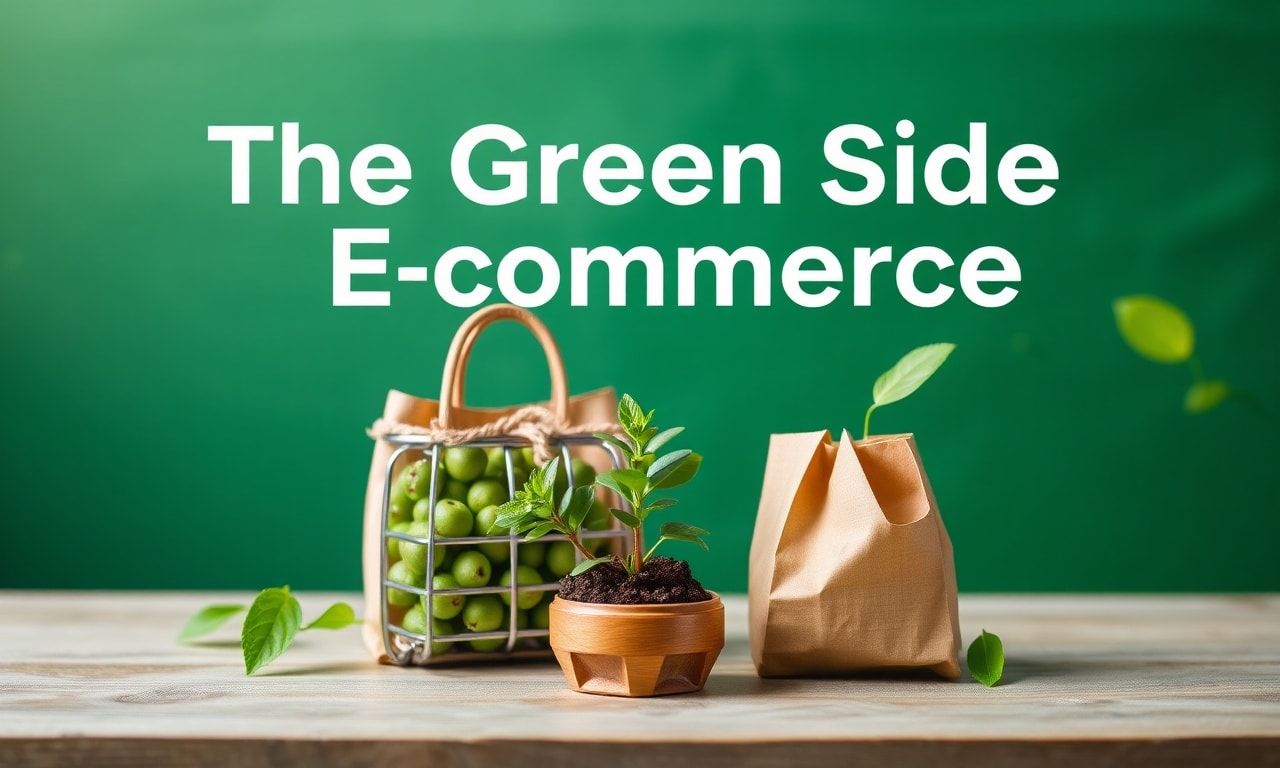
The Rise of Sustainable Ecommerce
The ecommerce landscape is evolving, and sustainability is at the forefront of this transformation. As consumers become more environmentally conscious, online retailers are adapting to meet these new demands. This shift is not just a trend; it’s a fundamental change in how businesses operate and how consumers make purchasing decisions. From eco-friendly packaging to carbon-neutral delivery options, the green side of ecommerce is becoming increasingly prominent.
The Importance of Sustainable Practices
Sustainable practices in ecommerce are crucial for several reasons. Firstly, they help reduce the environmental impact of online shopping, which has been growing rapidly in recent years. According to recent studies, the carbon footprint of ecommerce is significant, and adopting sustainable practices can mitigate this impact. Secondly, consumers are increasingly valuing sustainability and are more likely to support businesses that prioritize environmental conservation. This shift in consumer behavior is driving ecommerce businesses to adopt greener practices.
Moreover, sustainable ecommerce practices can also lead to cost savings. For instance, reducing packaging waste can lower material costs, and optimizing delivery routes can reduce fuel consumption and transportation expenses. Additionally, businesses that embrace sustainability often benefit from positive publicity and enhanced brand reputation, which can attract more customers and increase sales.
Eco-Friendly Packaging
One of the key areas where ecommerce businesses are making strides in sustainability is packaging. Traditional packaging materials, such as plastic and Styrofoam, are harmful to the environment. In response, many online retailers are switching to eco-friendly packaging options. These include biodegradable materials, recycled paper, and reusable packaging. By adopting these practices, businesses can significantly reduce their environmental footprint and appeal to eco-conscious consumers.
Carbon-Neutral Delivery
Another important aspect of sustainable ecommerce is carbon-neutral delivery. The transportation sector is a major contributor to greenhouse gas emissions, and ecommerce businesses are exploring ways to reduce their carbon footprint in this area. Some companies are investing in electric vehicles for deliveries, while others are partnering with logistics providers that offer carbon-neutral shipping options. Additionally, optimizing delivery routes and consolidating shipments can help reduce fuel consumption and emissions.
The Role of Consumer Awareness
Consumer awareness plays a pivotal role in driving the shift towards sustainable ecommerce. As more people become informed about the environmental impact of their purchasing decisions, they are increasingly seeking out businesses that prioritize sustainability. This awareness is fueled by various sources, including media outlets like birmingham environmental conservation news, which highlight the importance of environmental conservation and sustainable practices.
Educating consumers about the benefits of sustainable ecommerce is essential. Businesses can play a part in this by providing transparent information about their sustainability efforts. This can include details about eco-friendly packaging, carbon-neutral delivery options, and other initiatives aimed at reducing environmental impact. By empowering consumers with this information, businesses can encourage more sustainable shopping habits and foster a culture of environmental responsibility.
Tips for Sustainable Shopping
As a consumer, there are several steps you can take to support sustainable ecommerce practices. Here are some tips to help you shop more sustainably:
- Choose Eco-Friendly Products: Look for products that are made from sustainable materials and have minimal environmental impact. This can include items made from recycled materials, organic products, or those that are certified by environmental standards.
- Support Sustainable Brands: Research and support brands that prioritize sustainability in their operations. This can include businesses that use eco-friendly packaging, have carbon-neutral delivery options, or are involved in environmental conservation efforts.
- Opt for Minimal Packaging: When shopping online, choose retailers that offer minimal or eco-friendly packaging options. This can help reduce waste and lower the environmental impact of your purchases.
- Consolidate Your Orders: To reduce the carbon footprint of your deliveries, consolidate your orders whenever possible. This can help minimize the number of shipments and reduce fuel consumption.
- Recycle and Reuse: After receiving your purchases, make sure to recycle or reuse packaging materials. Many retailers offer recycling programs for packaging, and you can also find creative ways to repurpose materials at home.
The Future of Sustainable Ecommerce
The future of ecommerce is undoubtedly green. As consumer demand for sustainable practices continues to grow, businesses will need to adapt and innovate to meet these expectations. This includes investing in eco-friendly technologies, adopting sustainable supply chain practices, and continuously improving their environmental performance.
Governments and regulatory bodies also play a crucial role in promoting sustainable ecommerce. By implementing policies that encourage sustainable practices and penalize environmentally harmful behaviors, they can drive the industry towards a greener future. Additionally, collaborations between businesses, consumers, and environmental organizations can lead to innovative solutions and collective action towards sustainability.
In conclusion, the green side of ecommerce is not just a trend; it’s a necessary evolution in how businesses operate and how consumers shop. By embracing sustainable practices, ecommerce businesses can reduce their environmental impact, attract eco-conscious consumers, and contribute to a healthier planet. As consumers, we also have a role to play in supporting sustainable ecommerce and making more environmentally responsible purchasing decisions.
To gain a deeper understanding of how social media shapes online shopping trends, explore social media’s e-commerce influence and discover tips to enhance your product reviews.
For a deeper understanding of this topic, Araç Bakımının Temel İlkeleri: Uzun Ömürlü offers valuable insights worth exploring.
For a deeper understanding of this topic, The Intersection of Fashion and Morning offers valuable insights worth exploring.