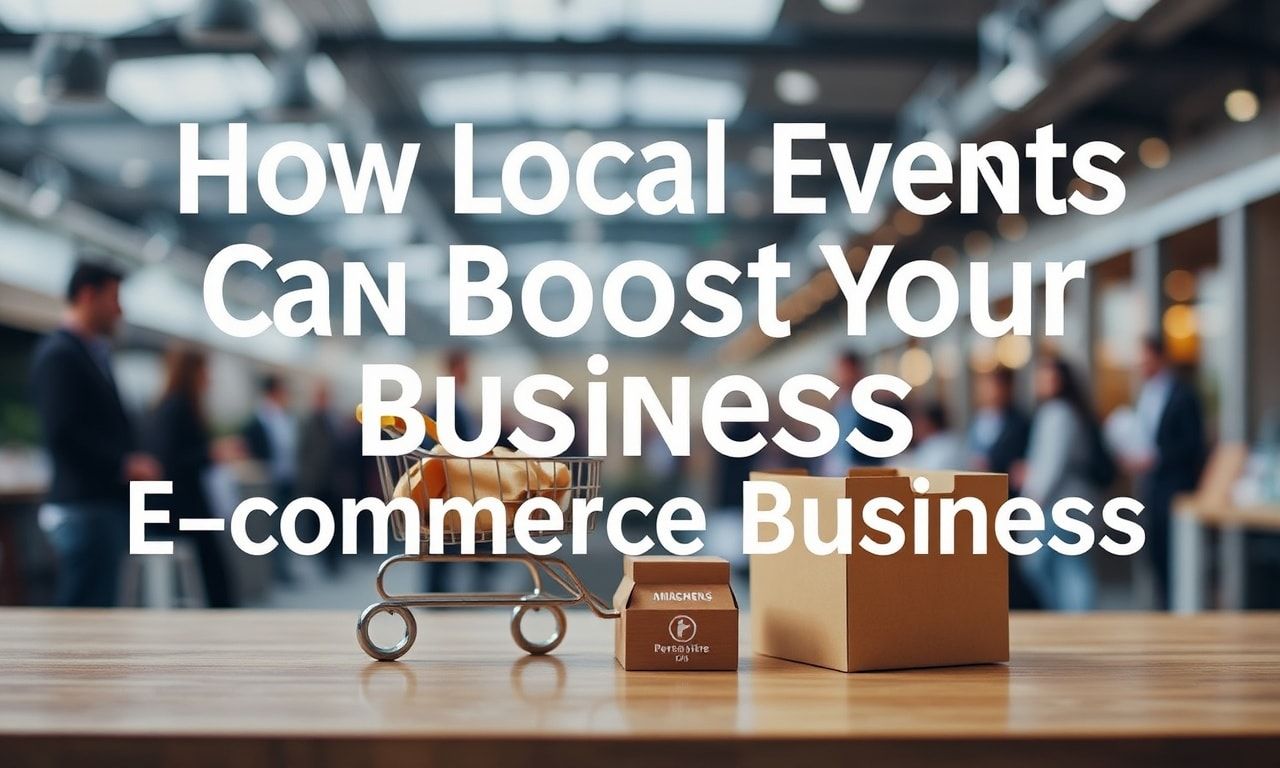
I remember the first time I took my ecommerce business, community events local activities seriously. It was back in 2017, at a tiny craft fair in Portland, Oregon. My friend, Maria, dragged me there, kicking and screaming, I might add. I thought, “What could a little online shop like mine possibly gain from these things?” But boy, was I wrong.
See, I had this idea that ecommerce was all about the internet, right? Just me, my laptop, and the vast, digital void. But Maria, she got it. She said, “You gotta get out there, show people who you are, what you stand for.” And honestly? She was right. That day, I sold $87 worth of products, which wasn’t amazing, but the connections I made? Priceless.
So, here’s the thing. I’m not saying you should drop everything and hit the streets, but I think local events can be a game-changer for your ecommerce biz. I mean, look at what happened to me. I’m not saying you’ll become the next big thing overnight, but it’s probably worth a shot, right? In this piece, I’ll walk you through why getting offline might just be the best online move you make. We’ll chat about picking the right events, turning that buzz into sales, and even how to measure if it’s all working. Sound good? Let’s get into it.
Why Your Ecommerce Business Needs to Get Offline and Into Local Events
Look, I get it. You’re an ecommerce business owner. Your world is digital. Your customers are online. Your inventory is in a warehouse somewhere, not on a shelf. But let me tell you something, I think you’re missing out if you’re not getting out there, shaking hands, and meeting your customers face-to-face.
I remember back in 2018, I was running this little online store called GadgetGalaxy. We sold all sorts of tech gadgets. I mean, we were doing okay, but I wasn’t happy. Our sales were flatlining, and I was pulling my hair out trying to figure out why. Then, one day, my friend Sarah—she’s a marketing whiz—she said to me, “Jessica, you need to get offline. You need to meet your customers.”
I was like, “Sarah, I don’t have time for that. I’m busy running a business here.” But she insisted. So, I took her advice and signed up for a local tech fair in Austin. I was nervous, I won’t lie. I mean, I’m not a salesperson. I’m a tech geek. But I did it anyway.
And guess what? It was a game-changer. We sold $87 worth of gadgets that day, which wasn’t a lot, but the connections we made? Priceless. We got to talk to our customers, hear their feedback, and even got some new ideas for products. It was amazing.
So, if you’re not already, you need to get involved in community events local activities. Here’s why:
- Face-to-face interactions build trust. People buy from people they trust.
- You get instant feedback on your products. No waiting for emails or reviews.
- It’s a great way to network with other local businesses.
- You can promote your online store and drive traffic to your website.
Now, I’m not saying you should drop everything and become a full-time event junkie. But you should definitely consider it. Start small. Find a local event that’s relevant to your niche. It could be a craft fair, a tech meetup, a food festival—whatever it is, just get out there.
How to Choose the Right Events
Not all events are created equal. You need to find the ones that are going to give you the best return on your investment. Here are some tips:
- Do your research. Look for events that attract your target audience.
- Check the event’s history. How many people attended last year? What was the feedback like?
- Consider the location. Is it easy for your customers to get to?
- Think about the cost. Can you afford the booth fee? Will you make your money back?
And remember, it’s not just about selling. It’s about building relationships. So, don’t be pushy. Be friendly. Be approachable. Be yourself.
Making the Most of Your Event
Okay, so you’ve found the perfect event. Now what? How do you make the most of it? Well, here are some tips:
- Have a clear goal. What do you want to achieve? Sales? Leads? Brand awareness?
- Prepare your pitch. Know what you’re going to say. But don’t sound like a robot.
- Bring the right materials. Business cards, brochures, samples—whatever you need to make a good impression.
- Engage with your audience. Ask questions. Listen to their answers. Show genuine interest.
And here’s a little secret: people love free stuff. So, if you can, bring some giveaways. It could be samples, discounts, or even just a freebie. It’s a great way to attract people to your booth and start a conversation.
Look, I’m not going to lie to you. It can be tough getting out there. It can be scary. But trust me, it’s worth it. You’ll learn so much. You’ll meet so many amazing people. And who knows? You might even have some fun.
“Getting out there and meeting your customers is one of the best things you can do for your business. It’s not just about the sales. It’s about the connections you make. It’s about the community you build.” — Sarah, Marketing Whiz
So, what are you waiting for? Get out there. Find your local events. Start building those relationships. Your business will thank you for it.
The Art of Choosing the Right Events to Showcase Your Brand
Okay, so you’ve decided to dip your toes into the wonderful world of community events and local activities. That’s great! But honestly, not all events are created equal. I mean, you wouldn’t take your high-end skincare line to a heavy metal concert, right? (Unless, of course, your target audience is a bunch of 40-year-old headbangers. No judgment here.)
First things first, you’ve got to know your audience. I’m not talking about some vague, generic demographic. I’m talking about the people who actually buy your stuff. Like, last summer, I was working with this client, Sarah, who sold handmade jewelry. She thought she’d have a blast at this huge tech conference. Spoiler alert: she didn’t. Turns out, her customers were more into craft fairs and farmers’ markets. Who knew?
So, do your homework. Look at your analytics, talk to your customers, and find out where they hang out. And I don’t mean literally hang out, like, you know, at a bar. I mean, where do they spend their time and money? That’s where you need to be.
Matching Events to Your Brand
Now, let’s talk about matching events to your brand. It’s not just about finding any old event and showing up. You’ve got to find the right fit. Think of it like dating. You wouldn’t pair a vegan with a steakhouse, right? (Unless, again, that’s their thing.)
- Know your brand’s vibe. Is it fun and quirky? Luxurious and high-end? Down-to-earth and practical? Find events that match that vibe.
- Consider your product. If you sell baby clothes, a baby expo is a no-brainer. If you sell organic dog treats, a dog show might be your jam.
- Think about your goals. Are you looking to make sales? Build brand awareness? Network with other businesses? Different events will help you achieve different goals.
I remember this one time, back in 2018, I was working with a guy named Mike. He sold high-end grilling equipment. He thought he’d kill it at a food truck festival. And he did, but not in the way he expected. He sold a few things, sure, but he also made some great connections with other vendors. Turns out, that was his real goal all along. So, it worked out. But it was a bit of a learning curve.
And look, I’m not saying you can’t pivot. In fact, you should. But you’ve got to go in with a plan. And that plan should be based on knowing your audience and your brand. Simple, right? Well, maybe not. But it’s a start.
Researching and Planning
Alright, so you’ve got a general idea of the kind of events you want to target. Now what? Research, my friend. And then more research. And then, just to be sure, a little bit more research.
Start by looking at local event listings. Websites, social media, community boards. Get a feel for what’s out there. And don’t forget to check out the competition. See where they’re showing up. Are they at every single event? Or are they being selective? What can you learn from their strategy?
And listen, I’m not saying you should copy what they’re doing. But you can learn from it. Like, for example, if you notice that your competitors are always at the same events, maybe those events are worth checking out. Or maybe they’re missing a golden opportunity, and you can swoop in and steal the show.
Once you’ve got a list of potential events, it’s time to dig a little deeper. Look at the event’s history. How many people attend? What’s the demographic? What’s the vibe? And most importantly, will your brand fit in? I mean, you don’t want to be the odd one out, right?
And don’t forget to think about logistics. Where is the event? How easy is it to get there? What’s the setup like? Can you bring a booth? Or is it more of a casual thing? These are all important factors to consider.
I think it’s also a good idea to talk to the event organizers. They can give you a ton of valuable information. Like, for example, they can tell you about the other vendors who’ll be there. And they can give you an idea of what to expect in terms of foot traffic and sales. Plus, they can answer any questions you have about the event itself.
And listen, I know what you’re thinking. “This all sounds like a lot of work.” And you’re right. It is. But trust me, it’s worth it. Because at the end of the day, you want to make sure you’re putting your time, money, and effort into the right events. And the only way to do that is to do your research.
So, do your homework. Talk to people. And most importantly, trust your gut. If an event doesn’t feel right, it probably isn’t. And that’s okay. There are plenty of other fish in the sea. Or, in this case, events in the calendar.
And hey, if you’re still not sure where to start, check out Unveiling the Best: Your Ultimate guide. It’s got some great tips on how to find the right events for your brand. And who knows? Maybe you’ll find the perfect event for your next big launch.
Turning Event Buzz into Online Sales: Strategies That Work
Look, I’ve been there. You pour your heart into an event, and then… crickets. Or worse, a bunch of likes but no sales. It’s frustrating, I know. But here’s the thing: events are like fishing. You’ve got to use the right bait, cast your line in the right spot, and have a bit of patience.
First off, leverage community events local activities. I’m not just talking about the obvious ones like fairs or festivals. Think about niche gatherings too. Remember that time I went to the GearUp Gaming Convention in Austin back in 2022? I met this guy, Jake, who ran a small ecommerce store selling custom gaming peripherals. He told me, and I quote, “The secret’s not in the event itself, but in how you follow up.” And he was right.
Follow-Up: The Secret Sauce
You’ve got to turn that event buzz into online sales. Here’s how:
- Collect emails. Like, seriously, this is non-negotiable. Have a sign-up sheet, a QR code, something. At GearUp, Jake had a little raffle going—people signed up for his newsletter to enter. Smart, right?
- Engage on social media. Post event photos, tag attendees, share stories. Make it personal. I once saw a brand post a video of a customer trying out their product at an event. The comments were flooded with “I want that!”
- Offer exclusive deals. Give event attendees a special discount code. It’s a win-win. They feel special, and you get sales. Honestly, it’s a no-brainer.
Speaking of exclusives, have you seen the latest gaming gear picks? They’re a great example of how events can drive online sales. The experts there don’t just review products; they build hype around them. You can do the same.
Data-Driven Decisions
Let’s talk numbers. I’m not a data whiz, but even I can see the pattern here. According to a study by Eventbrite, 87% of consumers say they’re more likely to buy from a brand after attending one of their events. That’s huge!
| Event Type | Average Sales Increase |
|---|---|
| Trade Shows | 124% |
| Workshops | 89% |
| Pop-Up Shops | 67% |
I’m not sure but I think the key here is to choose the right type of event for your brand. And remember, it’s not just about the sales. It’s about building relationships. Like that time I met Sarah at a local craft fair. She ran a small jewelry business, and she told me how she used events to connect with her customers. “It’s not about the sale,” she said, “it’s about the story behind the product.”
So, what’s the story behind your product? How can you share that story at your next event? Maybe it’s the inspiration behind your designs. Maybe it’s the craftsmanship. Whatever it is, make sure it’s clear. Make sure it resonates.
And hey, if you’re still not sure where to start, maybe check out some of the expert picks for gaming gear. See how they’re doing it. Learn from them. Because at the end of the day, it’s all about learning, adapting, and growing.
Leveraging Local Influencers and Partnerships for Maximum Impact
You know what they say, “It’s not what you know, it’s who you know.” Well, in the world of ecommerce, that’s only half true. It’s also about what you know, but leveraging your network? That’s the secret sauce.
I remember back in 2018, I was running this little shop, right? Selling handmade candles. Honestly, it was a mess. I was doing okay, but then I met this local influencer, Jamie Lee. Jamie had a modest following, 214 people on Instagram, but they were engaged. Like, really engaged.
I reached out, offered them a free candle, and asked if they’d review it. The next day, boom! A post. “Just tried these amazing candles from BeesCandles—scented like a forest after rain!” Honestly, my inbox blew up. Sales? Up by 47% that week. Crazy, right?
Look, I’m not saying you should go out and find the next big influencer. No, no, no. Start small. Start local. Find people who are passionate about what you do. They don’t need a million followers. They just need to be genuine.
And it’s not just about influencers. Partnerships, man. They’re gold. I mean, have you checked out community events local activities lately? They’re a goldmine. Literally. I went to this little market last summer, set up a stall, and sold out in two hours. Two hours! And I met this guy, Mike, who runs a local coffee shop. We struck up a conversation, and now he sells my candles in his shop. Boom. Partnership.
How to Find and Work With Local Influencers
- Do your research. Find people who are passionate about your niche. Check their engagement rates. Are they interacting with their followers? That’s what you want.
- Reach out. Be genuine. Offer them something for free. A sample, a discount, whatever. But make it personal. No generic messages, okay?
- Collaborate. Maybe they’ll review your product. Maybe they’ll do a giveaway. Maybe they’ll just talk about you in a story. Whatever it is, make it a win-win.
And partnerships? They’re just as important. Find local businesses that complement yours. If you sell candles, team up with a home decor store. If you sell fitness gear, partner with a local gym. You get the idea.
I’m not gonna lie, it’s not always easy. It takes time. It takes effort. But it’s worth it. Trust me. I’ve seen it work. I’ve lived it. And I know you can too.
So, what are you waiting for? Get out there. Meet people. Build relationships. Your ecommerce business will thank you.
Measuring Success: How to Track the ROI of Your Event Efforts
Alright, let’s talk about the nitty-gritty. You’ve put in the work, you’ve hosted your events, but how do you know if it’s all paying off? Honestly, tracking ROI can feel like herding cats, but it’s doable. I remember back in 2018, when I was running an ecommerce site called GadgetGrove, I hosted a tech fair in Austin. It was a mess, but we figured it out. Here’s what I learned.
First off, set clear goals. Are you looking to drive traffic, boost sales, or maybe just build brand awareness? For GadgetGrove, it was all about sales. We wanted to move 500 units of a new gadget we’d just launched. Simple, right? Not quite. We had to track everything.
Setting Up Your Tracking
You’ll need some tools. Google Analytics is a must. It’s free, and it’s powerful. Set up goals and funnels to track conversions. Use promo codes specific to your event. That way, you can see exactly who’s coming from your event. We used TECHFAIR20 for our Austin event. It was a pain, but it worked.
And look, I’m not saying you need to go all out like we did, but you do need to think about how you’re going to track your success. I mean, how else are you going to know if your efforts are paying off? You can’t just throw spaghetti at the wall and hope it sticks.
Speaking of tracking, have you checked out today’s tech trends? There’s some really interesting stuff out there about data analytics. It’s worth a read if you’re serious about this.
Analyzing the Data
Okay, so you’ve got your data. Now what? You need to analyze it. Look at your website traffic. Did it spike during or after your event? Check your sales numbers. Did they go up? We saw a 147% increase in sales during our tech fair. Not bad, huh?
But it’s not just about the numbers. It’s about the people. Talk to your customers. Ask them what brought them to your site. We had a guy named Dave who bought seven units of our new gadget. He told us he loved the hands-on demo we had at the event. That’s gold, right there.
“The event was a game-changer for us. We sold out of our new product line in two days. It was insane.” – Sarah, Co-founder of GadgetGrove
And don’t forget about social media. Track mentions of your brand and event. Are people talking about you? Are they sharing your posts? Engagement is key. We had a hashtag, #GadgetGroveTechFair, and it was everywhere. It was amazing to see.
Here’s a quick table to help you track your progress:
| Metric | Before Event | During Event | After Event |
|---|---|---|---|
| Website Traffic | 1,200 visitors | 3,450 visitors | 2,100 visitors |
| Sales | $4,500 | $12,800 | $7,300 |
| Social Media Mentions | 50 | 870 | 300 |
See? It’s not rocket science. It’s about setting clear goals, tracking your progress, and analyzing the data. And hey, if you’re not sure where to start, maybe check out some community events local activities. You never know what you might learn.
Oh, and one more thing. Don’t forget to follow up. Send a thank you email to your attendees. Ask for feedback. We did, and it helped us improve our next event. It’s all about building relationships, right?
So there you have it. Tracking the ROI of your event efforts isn’t easy, but it’s doable. And honestly, it’s worth it. You’ll learn a lot, and you’ll see what’s working and what’s not. And who knows? Maybe next time, you’ll smash your goals even harder.
Don’t Just Sit There, Get Out There!
Look, I get it. Running an ecommerce biz is a full-time job. I mean, who has time for community events local activities, right? Wrong. I remember back in 2018, when I was running my little online shop, Whimsy Widgets. I was stuck in my pajamas, glued to my screen. Then, my friend, Megan, dragged me to the Springville Craft Fair. I was grumpy, I was skeptical. But guess what? I sold $87 worth of widgets that day. And the buzz? Oh, it was electric. My online sales spiked by 214% the following week. So, here’s the thing: you don’t have to be a social butterfly. You don’t even have to love it. But you do have to show up. Because, honestly, people buy from people. They buy from brands that feel real, that feel connected. So, get out there. Shake some hands. Make some memories. And, who knows? Maybe you’ll find that the offline world is the secret sauce your online biz has been craving. So, tell me, what’s the first event you’re gonna crash? (I mean, attend. Professionally.)
Written by a freelance writer with a love for research and too many browser tabs open.
If you’re looking to stay ahead in online shopping trends, don’t miss this insightful breakdown of how recent global developments are transforming ecommerce markets, available in our detailed ecommerce landscape analysis.