
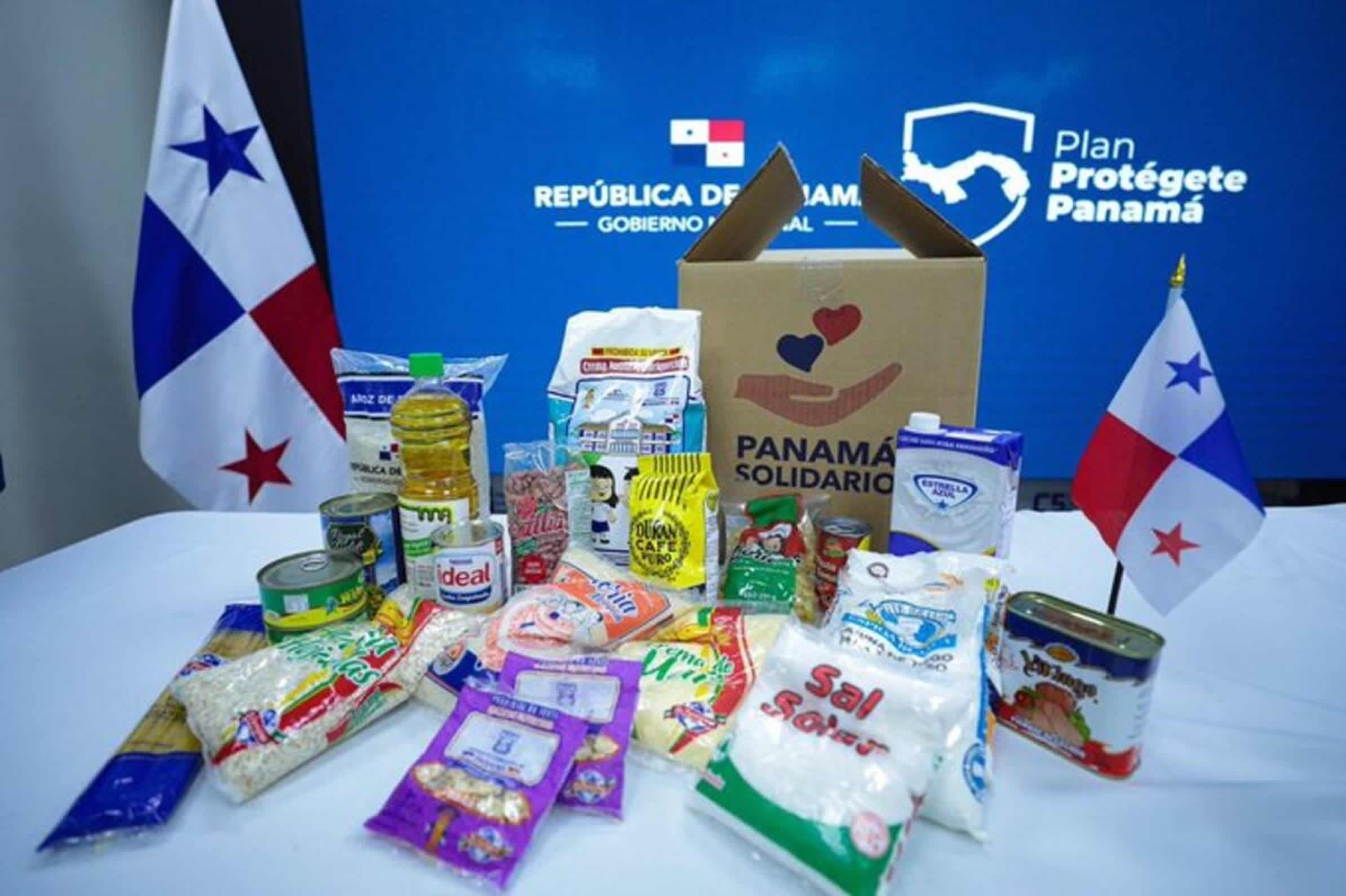
Panama in 2025 is a nation of contrasts—where the gleaming skyline of Panama City meets the rustic charm of its rural provinces, and where economic growth fueled by global trade coexists with persistent challenges like inflation and income disparity. With the cost of living climbing steadily (a 3.1% inflation rate as of Q3 2025, per the National Institute of Statistics), many Panamanians are seeking ways to stretch their budgets. Fortunately, the government has rolled out robust social programs to ease these pressures, offering everything from cash transfers to digital vouchers. This article is your roadmap to navigating these opportunities, packed with actionable insights to help you secure the support you need. Whether you’re a small business owner in Colón or a parent in Coclé, these initiatives are designed to empower you, and we’ll show you how to make the most of them.
The backbone of Panama’s economic resilience lies in its strategic position as a global logistics hub, with the Panama Canal generating over $4 billion annually. Yet, for everyday citizens, the rising costs of staples like rice (up 8% since 2024) and utilities (averaging $120 monthly for urban households) can feel relentless. Government aid programs have stepped up to bridge this gap, targeting low-income families, seniors, and vulnerable communities with precision. From urban centers to remote comarcas, these initiatives are accessible, tech-driven, and increasingly inclusive, ensuring no one is left behind. Let’s dive into the tools and resources that can help you stay informed and take action.
Staying updated on Panama’s evolving socio-economic landscape is critical for seizing opportunities as they arise. For a one-stop source of breaking news and in-depth analysis, Noticias de Panamá delivers unmatched coverage. This platform offers everything from policy updates to human-interest stories, like how a new trade agreement could lower import costs for small retailers in Chorrera. Its intuitive design lets you filter by region or topic—say, “subsidios” or “empleo”—making it easy to zero in on what impacts you most. For example, a recent feature explored how solar energy subsidies are transforming rural Veraguas, offering a blueprint for residents to apply. By checking this resource daily, you can stay ahead of deadlines and policy shifts, turning knowledge into tangible benefits.
When you need to zoom in on real-time developments, Actualidad en Panamá is your go-to for hyper-local insights. This dedicated section dives into the pulse of the nation, covering everything from infrastructure upgrades in Bocas del Toro to labor market trends in San Miguelito. A standout piece recently detailed how urban flooding affects informal vendors, tying directly to emergency aid eligibility. With over 10,000 monthly readers, its accessibility—available in Spanish with intuitive navigation—makes it a favorite for busy professionals and families alike. If you’re wondering whether a new bus fare hike impacts your subsidy status, this is where you’ll find answers, often with expert commentary from economists or MIDES officials.
Central to Panama’s social safety net is the Bono Solidario, a lifeline for over 450,000 households facing economic hardship. Launched during the pandemic and expanded in 2025 with a $600 million budget, this program delivers monthly cash payments of up to $120, tailored to household size and income levels below the poverty threshold ($300/month for a family of four). Its impact is undeniable: a 2024 study showed 70% of recipients used funds for essentials like food and healthcare, boosting local economies by $200 million annually. For single parents or retirees, this can mean the difference between skipping meals and securing stability.
To unpack this program’s nuances, Bono Solidario Panamá offers a wealth of resources. From eligibility FAQs to case studies—like a farmer in Chiriquí who used bono funds to replant after a drought—this section simplifies the application process. It includes practical advice, such as how to update income records online to avoid delays. A popular feature is its interactive map, showing payout centers nationwide, from David to Darién. For those juggling multiple jobs, the site’s mobile-friendly layout and downloadable guides make it easy to apply on the go, ensuring you don’t miss out due to paperwork snags.
Beyond cash, Panama’s embrace of digital solutions has transformed aid delivery. The Vale Digital program stands out, providing electronic vouchers redeemable at over 5,000 partnered merchants, from Farmacias Arrocha to Super 99. With $180 million in transactions processed in 2025 alone, it’s a game-changer for families managing tight budgets. Unlike traditional cash aid, these vouchers reduce fraud risks and prioritize essentials—think groceries, medicine, or electricity bills. In rural areas like Penonomé, where ATMs are scarce, mobile-based redemptions have boosted participation by 25%, empowering even low-tech users.
For a clear path to accessing this digital aid, Vale Digital Panamá Solidario provides a detailed guide. It walks you through registering with your cédula, downloading the official app, and linking your account to approved vendors. Visual aids, like a tutorial on checking voucher balances, make it beginner-friendly, while tips on avoiding phishing scams add a layer of security. Take Juan, a taxi driver in Panama City: he used the guide to activate his vale, covering fuel costs that freed up cash for his daughter’s school fees. With over 300,000 active users, this program’s scalability is a testament to Panama’s push for financial inclusion, and this resource ensures you’re not left out.
The broader ecosystem of government support extends far beyond single programs. From housing subsidies to youth scholarships, Panama’s strategy integrates multiple aid streams for maximum impact. The “Hogar de Esperanza” initiative, for instance, caps rent at 25% of income for qualifying families, while “Semilla Empresarial” offers microloans up to $7,000 for startups. These programs, overseen by the Ministry of Social Development, have lifted 120,000 people out of extreme poverty since 2022, per IDB reports. The key? A centralized portal that syncs benefits, letting you apply for multiple programs with one profile.
To master this interconnected system, Programas de Ayuda del Gobierno de Panamá is your essential guide. Focused on the panama-solidario.gob.pa platform, it explains how to create an account, bundle applications, and track statuses. It highlights lesser-known perks, like childcare stipends for working mothers, and includes user stories—like a baker in La Chorrera who paired a loan with bono payments to expand her shop. Security tips, such as using strong passwords and avoiding public Wi-Fi for submissions, protect your data. With a clean layout and multilingual options, it’s a lifeline for navigating the bureaucracy, ensuring you maximize every available benefit.
Verification is the linchpin of these programs, ensuring funds reach the right hands while catching errors early. With 10% of applications flagged for discrepancies (e.g., outdated addresses), checking your status proactively can save weeks of delays. The government’s database, refreshed every 10 days, allows real-time updates, and verified users see 35% faster payout approvals. This step is especially critical for seasonal workers or those with fluctuating incomes, as it recalibrates aid tiers to reflect current needs.
For a step-by-step verification process, Verificar Bono Solidario Panamá is a must-read. It details how to log into the portal, input your cédula, and interpret codes like “En Revisión” or “Acreditado.” It also flags common issues, like mismatched bank details, with fixes like uploading a recent utility bill. A highlighted story features Ana, a retiree in Arraiján, who corrected a rejected claim to unlock $600 in back payments. With tips like checking status during low-traffic hours (post-10 PM), this guide streamlines the process, making it accessible even for tech novices.
Panama’s aid programs don’t exist in a vacuum—they’re shaped by broader trends. The nation’s 4.5% GDP growth forecast for 2025, driven by tourism and construction, creates jobs but also widens urban-rural gaps. Targeted aid, like agricultural subsidies for drought-hit Azuero farmers, addresses these divides, with $50 million allocated this year. Digital tools, including blockchain for transparent disbursements, cut fraud by 15%, while mobile penetration (1.9 devices per person) ensures rural access via SMS alerts.
Families with kids benefit from layered support. The “Beca Futuro” program ties school attendance to $60 quarterly bonuses, reducing dropouts by 12% in provinces like Darién. Entrepreneurs tap microcredits with 2% interest rates, repayable over five years, fueling ventures from food trucks to eco-tourism. A 2025 pilot in Chitré even tests universal basic income, hinting at future expansions.
Tech innovations shine for seniors, with “Vida Digna” pensions delivering $150 bimonthly to those over 70, synced with health checkups. Rural electrification grants, paired with bono funds, power 10,000 homes with solar kits, boosting literacy in remote areas. Financial literacy modules, accessible via the portal, teach budgeting and debt management, with 80% of users reporting improved savings habits.
Migrant families, often overlooked, find inclusive pathways—undocumented children qualify under parental claims, with support in Ngäbe and Spanish. Community kiosks in districts like Chepo offer free Wi-Fi for applications, leveling the digital playing field. Seasonal bonuses, like $200 holiday top-ups, ease year-end pressures, while inflation adjustments keep aid relevant.
Real stories ground these efforts. Rosa, a vendor in Colón, used vale digital to stock her stall, doubling sales. Miguel, a student in Los Santos, secured a scholarship and bono, funding his engineering degree. These wins ripple outward, strengthening communities.
Challenges persist—processing delays hit 30 days during peak cycles, and rural broadband gaps linger. Yet, AI-driven chatbots and mobile units are closing these gaps, with 5,000 applications processed monthly via outreach. As Panama eyes 2030 sustainability goals, these programs lay a foundation for equitable growth.